
Edge-Computing Swarms: Decentralizing the “Brain” for Massive Robot Collectives
Moving away from a “Master AI,” new swarm protocols allow thousands of micro-drones to think as a single, decentralized organism.
Moving away from a “Master AI,” new swarm protocols allow thousands of micro-drones to think as a single, decentralized organism.
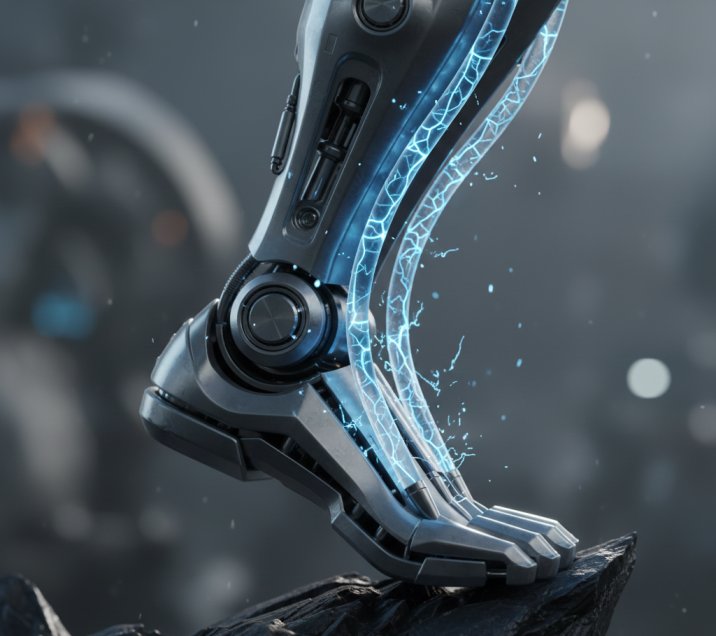
New Neural-Actuator Couplings are allowing humanoid robots to sense their own limb position without camera input, mimicking the human nervous system for near-perfect balance.
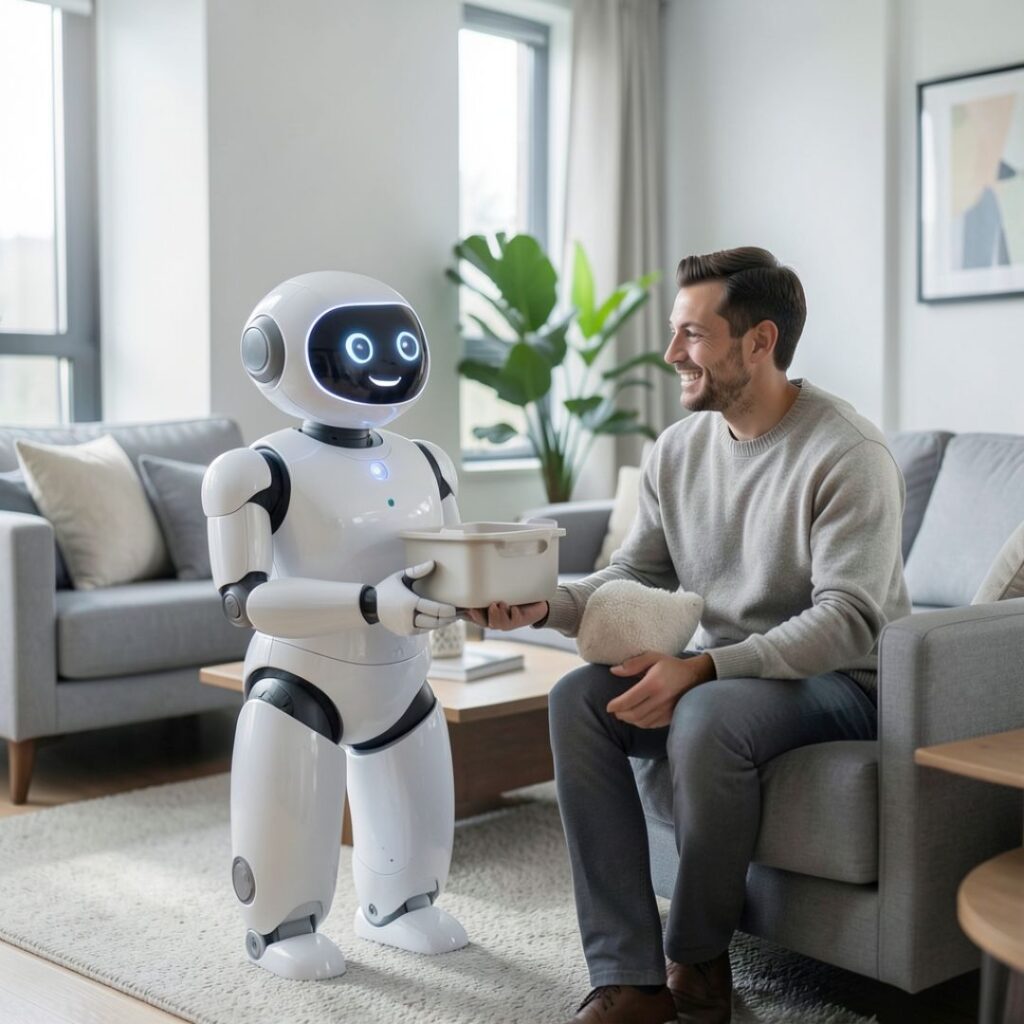
This year’s Consumer Electronics Show (CES) was dominated by “Physical AI.” From LG’s new CLOiD home assistant to Hyundai’s MobED platform, robots are officially entering the household market.

Researchers have unveiled “RoboGenAI,” a system allowing underwater drones to interpret their surroundings instantly. This shifts marine observation from simple recording to active, real-time awareness.

Forget typing; 2026 is the year we start “thinking” our emails. With Neuralink and Synchron receiving mass-market approval, the way we interact with AI is changing forever.

You don’t need to know Python or C++ anymore. “Vibe Coding” has taken over, allowing creators to build entire apps just by describing the “vibe” and functionality to an AI.
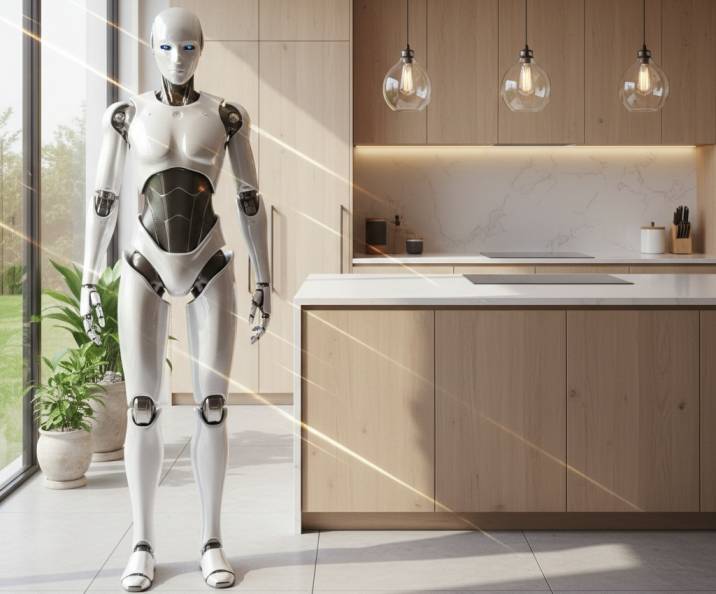
Humanoid robots are moving from factories to living rooms. 2026 marks the first year major manufacturers are releasing affordable home-help robots capable of basic chores and elderly care.

Global markets are reacting to the new “Robot Tax” proposal in the EU. As automation replaces human labor at record speeds, governments are looking for new ways to fund social safety nets.
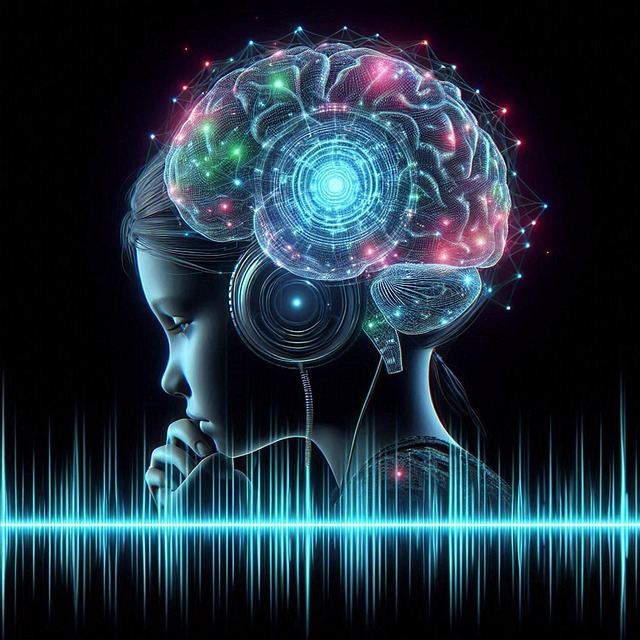
Forget chatbots that just talk; 2026 is the year of ‘AI Agents’ that actually do your work for you. From booking flights to coding apps, discover how Agentic AI is changing the workforce.

AI trades its crown for a hard hat in 2026 as global enterprises pivot from experimental chatbots to autonomous ‘Agentic’ systems that run core business operations.