
The Silicon-Carbide Transition: Building Room-Temperature Quantum Networks
A shift in substrate from pure silicon to silicon-carbide “color centers” is allowing quantum information to travel over standard fiber-optic cables without losing coherence.
A shift in substrate from pure silicon to silicon-carbide “color centers” is allowing quantum information to travel over standard fiber-optic cables without losing coherence.

The discovery of Majorana quasi-particles has led to the first stable “topological qubit,” protecting quantum data from the environmental noise that causes system-wide errors.
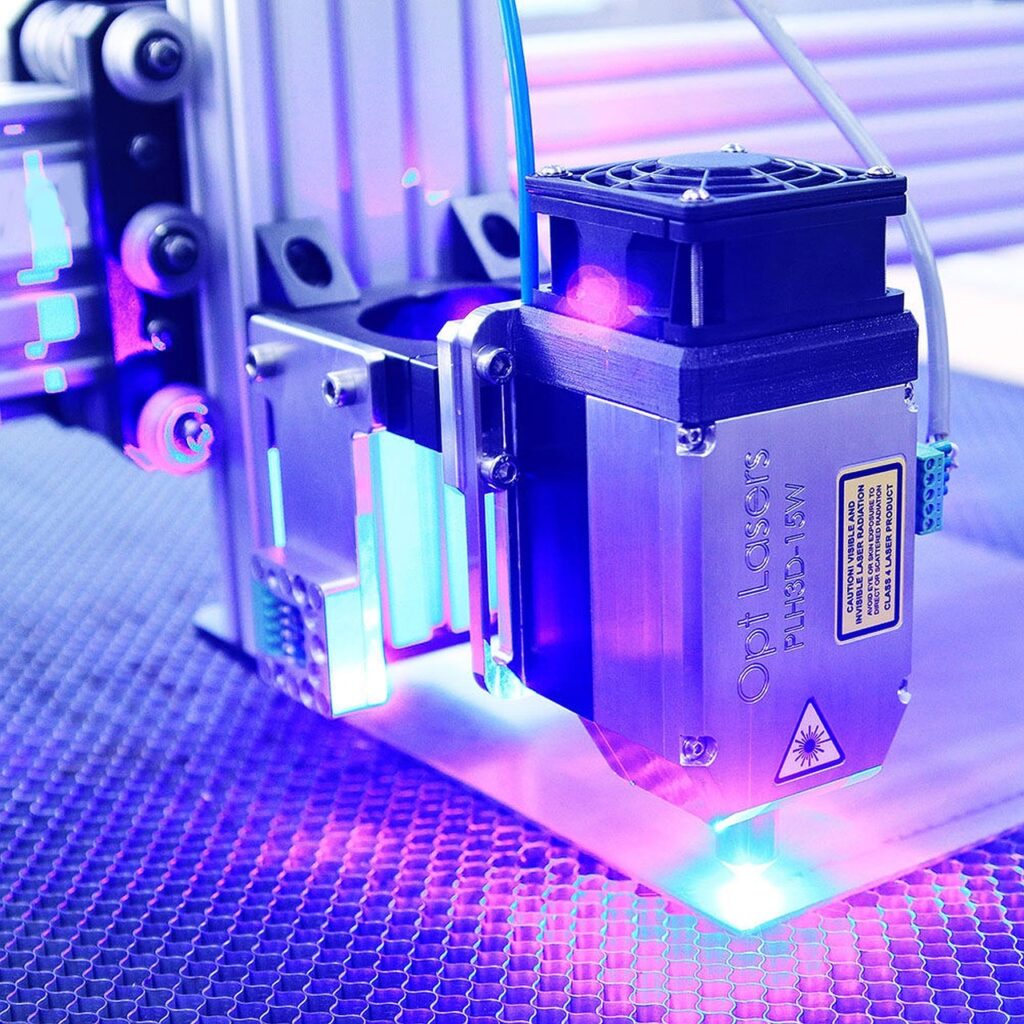
Researchers at the University of Osaka have solved the “Light Delivery” problem. Their new nanophotonic circuits allow hundreds of qubits to sit on a single chip, paving the way for mass-produced quantum computers.

Diraq has secured a massive $20M investment to build the first “Utility-Scale” quantum computer. This moves the industry past the “experimental” phase and into real-world commercial use.

Today marks the launch of “Q-Coin,” the first major cryptocurrency secured by quantum-resistant algorithms. As quantum computers threaten current blockchain security, a new era of digital finance is emerging.

Intel has officially bridged the gap between traditional computing and quantum power. Their new hybrid chip allows standard data centers to run quantum algorithms without specialized cooling for the first time.

Quantum computing stocks have reached a record high this morning as Microsoft and NVIDIA announce a new hardware partnership. Investors are pivoting from traditional AI to “Quantum-First” portfolios.

Quantum computing moves beyond the lab as hybrid classical-quantum systems begin solving real-world optimization problems in finance and logistics.